
Пропащие
Пропащие (aka Lost) – байкеры, ведущие свою отстранённую жизнь. Их редко волнуют вооружённые конфликты группировок из-за особенности характера их группировки: стремление к свободе и любовь к байкам. Бесспорно, самая миролюбивая группировка, хоть это и не значит, что они дружелюбные.
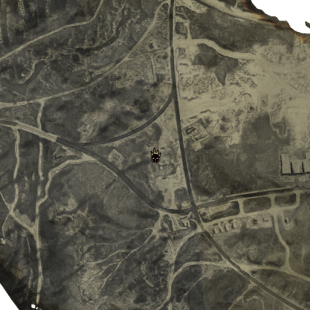
Пропащие на карте
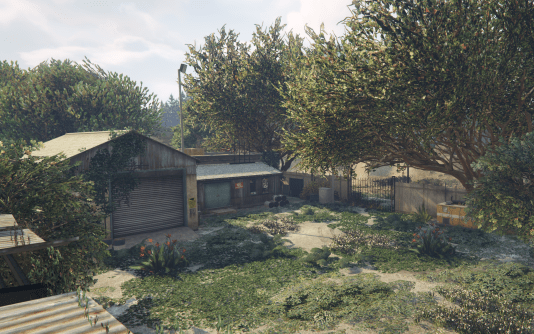
База Пропащих
История Пропащих
Большинство нынешних Пропащих – участники давней байкерской компании из Стэб-Сити, ранее насчитывавшей 13 человек. Она была на грани развала из-за утраты былой сплочённости и разницы в возрасте между участниками. Разброс был от 18 до 60 лет. Компания всё сильнее и сильнее делилась на «старое поколение» и «новое поколение». «Новое поколение» пропагандировало отход от правил, уникальность и безрассудность, а взрослая часть байкеров наоборот – отдавала дань традициям, установленным годами: как в поведении, так и во внешнем виде.
Всё изменилось, когда на лаборатории Human Labs прогремел взрыв. Весь состав старого поколения в привычной манере рассекали по пыльным просёлочным дорогам, когда вдалеке от них прозвучал громкий хлопок, а в воздух поднялись клубы дыма. Они сразу почуяли неладное, поэтому развернулись и помчались к месту, где обычно сидели вместе с остальными ребятами из их компании. Там, в местном пабе, по телевизору журналисты уже рассказывали о страшном инциденте, и объясняли опасность сложившейся ситуации.
Старое поколение, 5 взрослых мужчин, двое из которых – любители дикой природы и вылазок с целью выживать вдали от цивилизации, забыли о старых разногласиях с молодым поколением, ведь теперь игра шла на жизнь. Два знатока выступили абсолютными лидерами – они быстро сориентировали остальных, и объяснили, что нужно брать в первую очередь. Компания условилась встретиться на этом же месте спустя пару часов. К счастью для них, к установленному времени прибыли все без исключения. Ребята помладше, двое подростков, с каждой минутой всё больше нервничали, и, казалось, были на грани срыва, но неподдельное спокойствие и уверенность старшего поколения действовала заразительно. Так и началось их новое путешествие.
На первое время байкеры ушли в горы, ведь избежать контакта с зомби там было проще всего. Они разбили лагерь у небольшого озера и посменно дежурили. Питались они тем, что взяли с собой, разбавляя рацион дикими ягодами, лесными плодами, и мелкими животными, пойманными в силки, расставленными по периметру. Прошёл месяц, постепенно наступали холода, и лидеры решили, что пора в путь. Сначала поехали двое старших – на разведку, а когда они вернулись с небольшими запасами бензина, слитыми с заброшенной заправки, в путь отправились и остальные. Их ждало долгое путешествие в поисках убежища. Проезжая мелкие населённые пункты, они всё сильнее понимали, что зараза распространяется куда быстрее, чем они могли предположить, а ситуация далеко не под контролем властей.
Байкеры долго исследовали пустынную территорию в поисках убежища, то и дело, сливая бензин, где он ещё остался, однако запасы топлива стремительно заканчивались, а подходящего места для длительного пребывания, особенно зимой и тем более в зомби апокалипсисе, не было и в помине. Тогда они приняли судьбоносное решение – построить убежище самим. Естественно, строить с чистого листа было бы слишком долго, изнуряюще, да ещё и опасно, поэтому они решили найти место, которое можно было бы переделать и обустроить под себя. Долго думать не пришлось – они почти сразу вспомнили про старую автомастерскую, где они обычно чинили свои байки. Она была небольшой и имела хорошее расположение – не так близко к городу, чтоб на них были частые нападения зомби, но и не так далеко от него, если будут ещё выжившие, которым нужна будет помощь.
Прибыв на место для осмотра, байкеры стали оглядывать территорию и, быстро поняв, что мастерскую просто бросили впопыхах, начали продумывать план по улучшению своей новой базы.
В первую очередь они занялись забором – они собирали со всей округи металлические листы, шифер, деревянные балки, цементные растворы и всё, что, в общем, могло помочь им в строительстве прочного ограждения от зомби. На постройку минимальной защиты ушло несколько недель.
Далее байкеры занялись интерьером. Они начали с того, что решили освободить как можно больше места, избавившись от бесполезного барахла и от того, что не подлежит ремонту. В захламлённом сарае, рядом с мастерской была куча самых разных вещей, среди которых байкерами посчастливилось найти набор инструментов, пару прочных лопат, которыми можно было бы отбиваться от зомби, поломанный диван и даже старый генератор, работающий на бензине. Единогласным решением было обжить сарай, теперь очищенный от ненужного хлама. Байкеры затыкали продувавшие окна тканью, а трещины в стенах заделывали фанерными листами. Когда все работы по утеплению жилища были закончены, компания наконец-то могла немного отдохнуть.
Скучая по прежним временам, байкеры стали совершать короткие поездки вокруг их территории. В один дождливый день они заметили интересную картину на дороге: колонна военных машин, остановленная толпой зомби. Байкеры решили понаблюдать издалека за сложившейся ситуацией, опасаясь того, что оружие применят не только против зомби, но и к ним. Поначалу у военных не было никаких проблем с ходячими мертвецами, однако на шум от выстрелов сбежалось ещё больше жутких тварей, и военные, не успев перегруппироваться, неизбежно стали их обедом. На трупах оставались автоматы, а в машинах, вероятно, было ещё оружие и другие припасы, которые этим бедным людям уже не понадобились бы. Быстро оценив все риски, байкеры решили подождать некоторое время, чтобы зомби немного разошлись, и тогда они бы смогли забрать все необходимые припасы. Так они и сделали. Ближе к ночи, когда часть зомби ушла на достаточно большое расстояние, байкеры начали свою операцию по добыче припасов. Шумящий дождь под покровом тьмы был одновременно и их союзником, и их врагом. Несмотря на огромные риски, байкеры смогли остаться незамеченными и взять всё необходимое: огнестрельное оружие на каждого члена команды, небольшие запасы медикаментов, патроны, пару бронежилетов и немного сухпайков.
Данная ситуация значительно помогла байкерам в выживании и пропитании: теперь они могли не только более грамотно защищаться от зомби, но и охотиться на крупную дичь. И хотя не все члены компании умели стрелять, это было довольно быстро исправлено совместными тренировками в лесах.
Именно в этот момент байкеры поняли, что им пора делать новый шаг в их маленьком обществе. Чтоб забыть старые конфликты и разногласия, они решили, что нужно сделать новый старт. Так и было положено начало группировки Пропащих. Новая опасность стала решением для старой проблемы – и теперь они снова были как одна семья.
Спустя полгода уединённой жизни, Пропащие начали сталкиваться с другими группами выживших, и осознали, что для лучшей жизни им стоит начать принимать активное участие в выстроившихся торговых цепочках между людьми. Они предлагали другим всё, что умели – починку транспортных средств, физическую работу, а также вяленое мясо.
В наше время, спустя 10 лет после начала апокалипсиса, Пропащие сторонятся стычек с людьми вне торговых связей из-за своей своенравности, и довольно редко принимают в группировку новичков, а даже если они и принимают кого-то в свои ряды, то только по причине общих интересов – любовь к свободе, адреналину, ну и к байкам, конечно же.
Отличительные черты
Среди отличительных черт у Пропащих: байкеры предпочитают носить наряды из плотных тканей, которые не превратятся в лохмотья после езды на большой скорости. Обычно это джинсы или кожаные штаны, майки и футболки с изображением рок-групп или черепов, сверху – черная кожаная куртка, а также банданы, черные вязаные шапочки, защищающие от ветра. Им также присущи длинные волосы, борода и усы.
Уникальность и характер поведения
Дух братства, свободы и правды, лежащий в основе философии истинного байкера, пытается противостоять искушениям и соблазнам общества потребительства и лицемерия. Мотоцикл всегда для байкера на первом месте. Затем все остальное, включая любовь и семью.
Тип поведения: нейтральный.
Интересные факты
В прошлом Пропащие сыграли решающую роль в истории Содружества: они не только спасли их от смерти, но и поспособствовали скорейшему их росту в глазах других группировок.